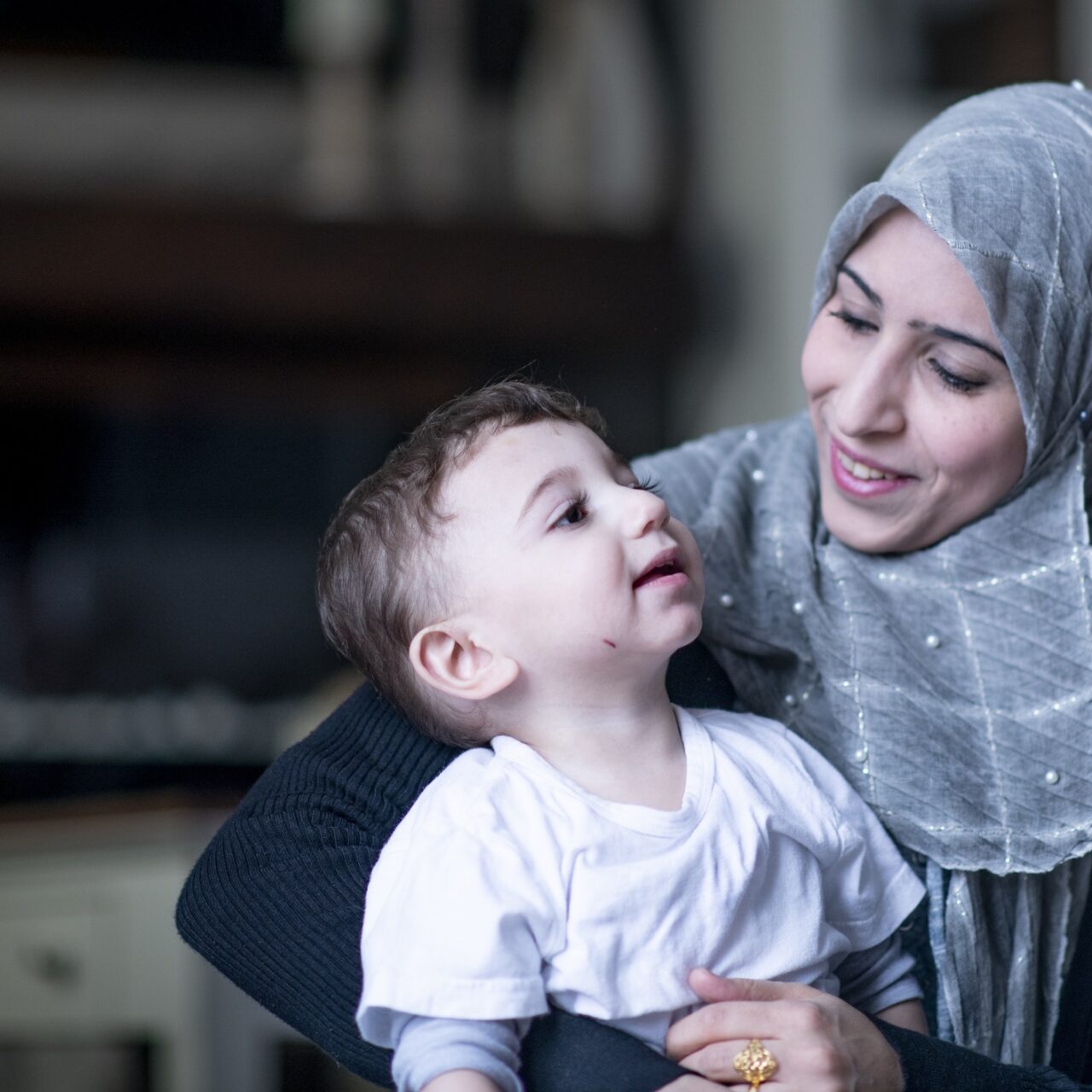
A fifth of people are worried about catching COVID-19

A fifth (21%) of people are currently worried about catching COVID-19, while just under a fifth (18%) are worried about becoming seriously ill from the disease, find UCL researchers as part of the Nuffield-funded COVID-19 Social Study.

These figures are the lowest since the beginning of the pandemic, but worries about catching the disease have been rising among those aged 18-29 over the past two months. Currently, 28% in this age group are worried, compared to 20% of adults ages 30-59 and 19% of adults ages 60 plus. Since the easing of restrictions in March for the latest lockdown, people not living with children have also been more worried (currently 22%) about catching COVID-19 than those living with children (currently 19%).

Conversely, keyworkers have been less worried about catching the virus than non-keyworkers since last summer (currently 18% of keyworkers say they are worried versus 22% of non-keyworkers) but differences between these two groups in worries about falling seriously ill from it have been negligible. People with a mental or physical health diagnosis, people with lower household incomes, and women have generally been more worried about both catching and falling ill from COVID-19 over the course of the pandemic.

Launched in the week before the first lockdown started, the ongoing UCL COVID-19 Social Study is funded by the Nuffield Foundation with additional support from Wellcome and UK Research and Innovation (UKRI). It is the UK’s largest study into how adults are feeling about the lockdown, government advice and overall wellbeing and mental health with over 70,000 participants who have been followed across the last 64 weeks.

Lead author, Dr Elise Paul (UCL Institute of Epidemiology & Health) said: “Our report shows that as cases, hospitalisations, and deaths are relatively low, people have become less worried about catching and falling seriously ill from COVID-19. Interestingly, the groups who are less worried about the disease include those such as keyworkers, who are often the least able to take action to limit social contact.

“This could be due to this group being more likely to be fully vaccinated, or potentially because they have grown used to being in higher-risk situations and as such have become used to the possibility of infection, even with precautions in place.

“We can also see that worries around catching the virus have increased among younger people, likely due a large number of this group not yet being offered the vaccine and an increasing number of hospital admissions being from younger demographics as the vaccine rollout continues.”

Happiness and life satisfaction has been increasing among respondents since the end of January this year, and levels are now at the highest point since the study began. All demographic groups have reported increasing levels of happiness and life satisfaction since the easing of restrictions for the latest lockdown.

‘Majority’ compliance with the rules and guidelines surrounding the COVID-19 lockdown has remained high throughout the easing of restrictions, and is currently at 91%. However, ‘complete’ compliance with the rules remains lower, at 45%, the same as in summer 2020.

Whilst happiness levels have increased for all demographic groups in recent months, we continue to see differences in the social and economic impacts of the pandemic. 18-29 year olds have recently been reporting higher levels of worries about finance and, as Nuffield-funded research from the Resolution Foundation has shown, young people were more likely to lose their jobs or be furloughed during the pandemic. As furlough ends and uncertainty in the job market continues, the government should consult young people on how best to support them, not only financially but also through access to training, mental health support and housing.” Cheryl Lloyd, Education Programme Head at the Nuffield Foundation

COVID-MINDS Network

The study team is also running the COVID-MINDS Network: an international network of over 140 longitudinal mental health from over 70 countries. Through the network, dozens of scientists and clinicians are coming together internationally to collate results from mental health studies running in countries around the world and compare findings. The initiative is supporting the launch of new mental health studies in other countries, to research whether actions taken in specific countries are helping to protect mental health.

Related project


Explore our projects

A portrait of a teenager wearing casual clothing on an overcast summer day in Whitley Bay, Northeastern England. They are standing and looking concerned as they use their smartphone.

Welfare | 2026 - 2028

The digital lives of care-experienced children

View project
A simple wall sign outside the British Treasury building at 1 Horse Guards Road, just off Whitehall, London.
New

Welfare | 2026 - 2030

IFS Green Budget 2026 – 2029

View project
Young well dressed businesswoman working on a computer at the office

Welfare | 2026 - 2029

Pain-at-Work Toolkit for employees with chronic pain (definitive trial) 

View project

Welfare | 2026 - 2028

Examining gender pension gaps: trajectories over time in the UK

View project
Houses along a street in the UK

Welfare | 2026 - 2028

Towards housing affordability: local supply drivers and optimal policy

View project
A cheerful young man wearing a green apron and a grey hoodie. He is placing fresh baked goods outside a cafe, holding a bowl filled with freshly baked bread. The cafe is in the background.
In progress

Education | 2026 - 2027

Student employment and subsequent education and labour market outcomes 

View project
In progress

Racial Diversity UK | Welfare | 2026 - 2027

Racial equality since devolution: Divergences, outcomes and frontiers

View project
inequalities in child welfare intervention rates
In progress

Justice | 2025 - 2027

Building Resilience: The feasibility of adapting a child-focused intervention for parental separation 

View project
voters entering polling station to vote in election

Welfare | 2025 - 2026

Tax, benefits and public spending in the 2026 devolved elections

View project

Welfare | 2025 - 2026

2026 Scottish Parliament and Senedd election analysis

View project
A shot of a grandfather sitting in a tractor with his young granddaughter, he is at his farm in North East, England. The grandfather and the girl's mother are teaching her about the farm.
In progress

Welfare | 2025 - 2028

Arthritis and farmers in England: Impacts, adaptations and prevention

View project

Welfare | 2025 - 2028

Inequalities and the future

View project
A simple wall sign outside the British Treasury building at 1 Horse Guards Road, just off Whitehall, London.
New

Welfare | 2026 - 2030

IFS Green Budget 2026 – 2029

View project
A portrait of a teenager wearing casual clothing on an overcast summer day in Whitley Bay, Northeastern England. They are standing and looking concerned as they use their smartphone.

Welfare | 2026 - 2028

The digital lives of care-experienced children

View project
Young well dressed businesswoman working on a computer at the office

Welfare | 2026 - 2029

Pain-at-Work Toolkit for employees with chronic pain (definitive trial) 

View project

Welfare | 2025 - 2026

2026 Scottish Parliament and Senedd election analysis

View project
Houses along a street in the UK

Welfare | 2026 - 2028

Towards housing affordability: local supply drivers and optimal policy

View project

Welfare | 2026 - 2028

Examining gender pension gaps: trajectories over time in the UK

View project
voters entering polling station to vote in election

Welfare | 2025 - 2026

Tax, benefits and public spending in the 2026 devolved elections

View project
inequalities in child welfare intervention rates
In progress

Justice | 2025 - 2027

Building Resilience: The feasibility of adapting a child-focused intervention for parental separation 

View project

Welfare | 2025 - 2028

Actionable insights to tackle UK dietary inequalities

View project
A mid-level street view of an older brick social housing block. To the left is a large green tree.

Welfare | 2025 - 2026

Navigating social housing tenancies: Language and cultural barriers

View project
A horizontal image of two children outdoors using a big mental pan to make mud pies, while a young woman supervises. The children are both wrapped up warm in coats and are contently playing
In progress

Education | 2025 - 2028

Policy change and inequalities in early childhood education and care

View project
A cheerful young man wearing a green apron and a grey hoodie. He is placing fresh baked goods outside a cafe, holding a bowl filled with freshly baked bread. The cafe is in the background.
In progress

Education | 2026 - 2027

Student employment and subsequent education and labour market outcomes 

View project
inequalities in child welfare intervention rates
In progress

Justice | 2025 - 2027

Building Resilience: The feasibility of adapting a child-focused intervention for parental separation 

View project
A horizontal image of two children outdoors using a big mental pan to make mud pies, while a young woman supervises. The children are both wrapped up warm in coats and are contently playing
In progress

Education | 2025 - 2028

Policy change and inequalities in early childhood education and care

View project
A cheerful young man wearing a green apron and a grey hoodie. He is placing fresh baked goods outside a cafe, holding a bowl filled with freshly baked bread. The cafe is in the background.
In progress

Education | 2026 - 2027

Student employment and subsequent education and labour market outcomes 

View project
In progress

Education | 2025 - 2028

SleepBoost: The feasibility of supporting sleep to support language

View project
In progress

Racial Diversity UK | Welfare | 2026 - 2027

Racial equality since devolution: Divergences, outcomes and frontiers

View project
In progress

Racial Diversity UK | Welfare | 2025 - 2028

Decline to renewal: Race, deindustrialisation and working lives

View project
In progress

Racial Diversity UK | Welfare | 2025 - 2028

Better mixing: Supporting Scotland’s diverse future

View project
In progress

Racial Diversity UK | Welfare | 2025 - 2028

Voices for equity: Moving from evidence to action

View project
Two mothers cuddle their daughter on the sofa with their dog: Welfare access, assets and debts of LGBT+ people in the UK
In progress

Welfare | 2025 - 2027

Understanding fertility intentions in 21st century Britain

View project
In progress

Welfare | 2025 - 2027

Musculoskeletal conditions, employment retention and job quality

View project
lady looking out of the bus window
In progress

Welfare | 2025 - 2028

Economic inactivity, arthritis & depression: who, why & how to respond

View project
A shot of a grandfather sitting in a tractor with his young granddaughter, he is at his farm in North East, England. The grandfather and the girl's mother are teaching her about the farm.
In progress

Welfare | 2025 - 2028

Arthritis and farmers in England: Impacts, adaptations and prevention

View project
row of houses
New

Welfare | 2025 - 2028

Musculoskeletal conditions in underserved communities

View project
Close up of a Young woman going over her retirement savings at home while using her laptop
New

Welfare | 2025 - 2026

Tackling the information gap in retirement saving decisions

View project
Black woman typing on laptop in living room
Reported

Welfare | 2024 - 2025

Enhancing, localising and democratising tax-benefit policy analysis

View project
A middle-aged man sat at home is looking at this phone while sorting pension paperwork.
Reported

Welfare | 2023 - 2025

Collective defined contribution pensions with investment choice

View project
Sixth form student smiling in a classroom while a teacher helps a classmate in the row behind him
Reported

Education | 2023 - 2025

The Extended Project Qualification: An Opportunity for All?

View project
Two little boys and a little girl, all wearing primary school uniform, work together to solve a puzzle in their classroom.
Reported

Education | 2023 - 2025

What has ‘Free School Meals’ measured and what are the implications?

View project
Elderly man drinking tea at home with professional carer
Reported

Welfare | 2023 - 2024

Evidencing the outsourcing of social care provision in England

View project
Older woman using a tablet to make a video call
Reported

Welfare | 2023 - 2025

Remote osteoarthritis peer-mentorship for socioeconomically underserved people

View project
Teenage sixth form students taking notes in a lesson
Reported

Education | 2022 - 2025

Comparing inequality and outcomes across post-16 education in the UK

View project
Reported

Education | Welfare | 2022 - 2024

Understanding school attendance, education and labour market outcomes

View project
Reported

Education | 2022 - 2025

The medium-term impact of the COVID-19 pandemic on pupils with SEND

View project
Grandparents having fun outdoors with their granddaughter, who is eating an apple and laughing: Understanding family and community vulnerabilities in transition to net zero
Reported

Welfare | 2021 - 2023

Understanding family and community vulnerabilities in transition to net zero

View project
Father and son using laptop at home
Reported

Welfare | 2021 - 2025

Developing a minimum digital living standard for households with children

View project
Code encounters algorithmic risk-profiling in housing: a family in their kitchen at home
Reported

Welfare | 2022 - 2024

Code encounters: algorithmic risk-profiling in housing

View project
Search projects

We improve people’s lives by funding research that informs social policy, primarily in Education, Welfare and Justice. We also fund student programmes that give young people skills and confidence in science and research.

We offer our grant-holders the freedom to frame questions and enable new thinking. Our research must stand up to rigorous academic scrutiny, but we understand that to be successful in effecting change, it also needs to be relevant to people’s experience.

Profile