Evidence and impact
Discover our work and how we use research to create change

We use our resources to generate evidence, inform debate, and support innovation that advances social well-being. Our independence allows us to take the long view, addressing complex, long-term challenges where research can make the most significant difference.
Through our work, we aim to deepen understanding of today’s most pressing issues and help policymakers and practitioners apply evidence to improve outcomes. A focus on inequality, disadvantage and vulnerability runs through our work, shaping our priorities and the research we fund.
Here you can explore our strategic priorities, the research we support, and the impact of our work.
Our impact
-
 | 03/11/23
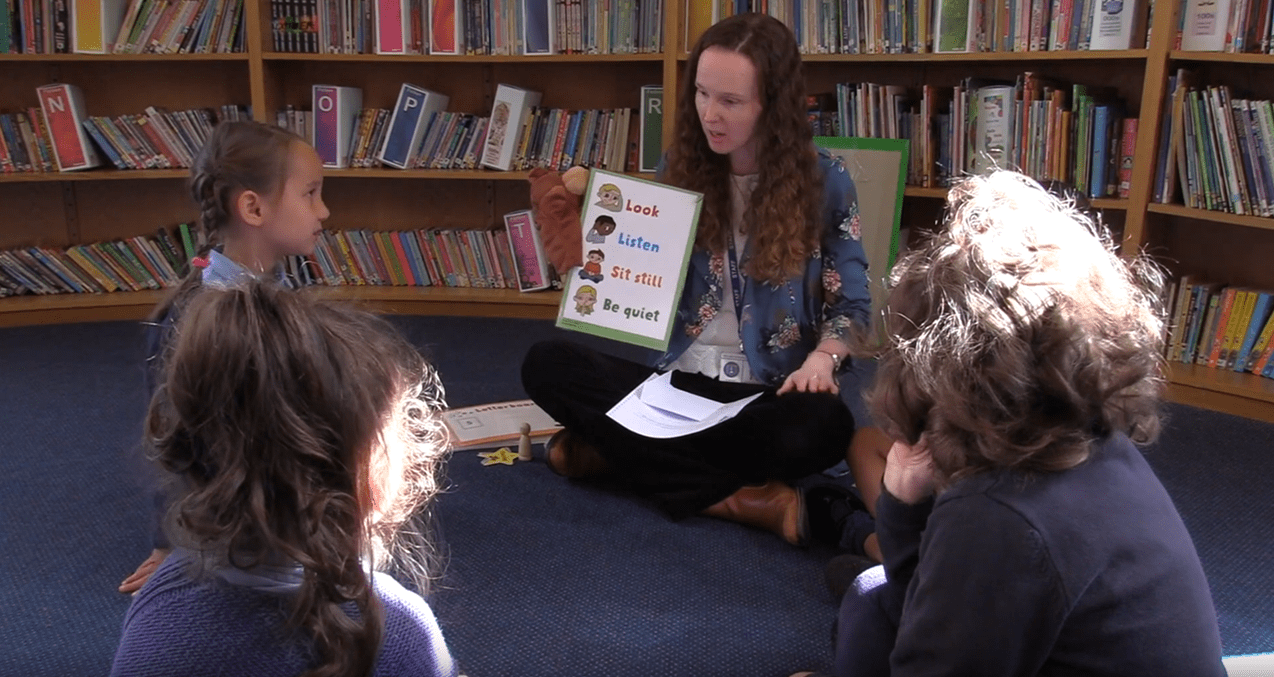
Nuffield Early Language Intervention in the making
NELI has been evaluated in robust trials and has been shown to improve children’s oral language.
-
| 09/06/22
Helping divorcing couples to navigate pensions on divorce
We have funded research to help divorcing couples share their pensions more fairly, and...
-
| 30/07/21
Addressing the social and economic impacts of the COVID-19 pandemic
Findings from our COVID-19 research projects have been influential in many policy discussions and together, offered a multifaceted perspective on the crisis.





Our programmes
-
 | 06/06/25
Grown up? Journeys to adulthood
Grown up? dives into how young people aged 14 to 24 are making the journey to adulthood - and what this means for policy, research and wider society.
-
 | 16/07/25
Public right to justice
Examining how the justice system serves the public and how it can better meet people's legal needs.
-
 | 31/10/25
Essays on philosophy in public life