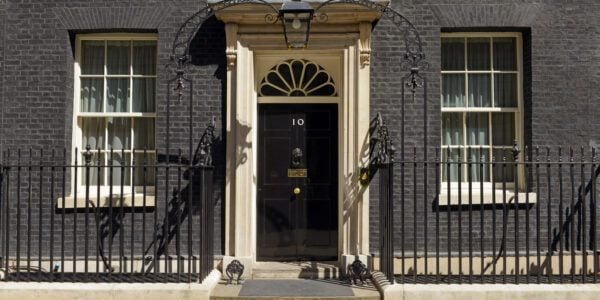
Workers in higher-wage areas experienced significantly larger job falls during the pandemic than those in lower-wage areas

By Nuffield Foundation

Workers in higher-wage areas of the UK have experienced significantly larger job falls than workers in lower-wage areas since the pandemic began, according to new Resolution Foundation research.

Levelling Up and Down Britain – the latest report for The Economy 2030 Inquiry – a collaboration between the Resolution Foundation and the Centre for Economic Performance at the LSE, funded by the Nuffield Foundation – examines how the labour market recovery from the COVID-19 pandemic varies across the UK so far.

While all places experienced a labour market shock from the pandemic, some areas have been slower to recover than others.

High-wage areas across the UK have seen some of the largest falls in employee jobs since February 2020. In June 2021, Westminster (the UK’s highest-wage area) had seen jobs fall by 3.6%, while in Leicester (the UK’s lowest-wage area) the number of employees has actually increased by 1.0%.

This trend is also seen outside of London, with high-wage areas like Edinburgh and Aberdeen experiencing large job falls of 2.2% and 3.5% respectively.

This geographic trend comes despite Resolution Foundation research showing that lower-wage workers have borne the brunt of the pandemic’s labour market impact. It is likely therefore that it is low-paid workers in high-wage areas that have experienced the bulk of this job fall.

Areas which are more reliant on tourists or commuters were also initially hardest hit by the pandemic. In February 2021, the two highest furlough rates were in South Lakeland (26% of workers) and the London Borough of Newham (23%) – areas which predominantly cater to tourists and commuters respectively.

However, these areas have seen very different paces of recovery. By June 2021, as many restrictions eased, furlough rates dropped to 7% in South Lakeland, but in Newham they still stood at 11%.

London’s labour market in particular has struggled to recover, with employee jobs still more than 3 per cent below their pre-crisis level, while several areas including Cornwall and Isles of Scilly, Gwynedd, and the Causeway Coast and Glens are already at or above pre-pandemic levels.

The report finds that commuter areas have bounced back less than tourist areas, suggesting people are more willing to go on holiday than start commuting again.

While the long-term structural changes which arise from the pandemic are still far from certain, the Resolution Foundation notes that if the shift towards home working continues then it will have serious implications for the geographic shape of demand, jobs and living standards across the UK – creating new job opportunities for some people, but new challenges for local labour markets too.

Charlie McCurdy, Economist at the Resolution Foundation, says:

“Low-paid workers have borne the brunt of the labour market impact of the pandemic, but those same workers in high-wage areas of the UK appear to have been hit hardest during the recovery, with those places experiencing significantly higher job falls than low-wage areas.

“In the early part of the crisis, city centres and coastal areas were especially hard-hit because many jobs in such places depend on demand from people outside the area. Since England’s reopening in June, jobs in many tourism-reliant areas have bounced back to pre-pandemic levels, but some cities – and particularly London – have struggled to return to life.

“The summer ‘staycationing’ boom has brought a much-needed boost to many, but a structural shift towards more home-working could have a lasting impact on the geography of the UK labour market, further hindering the living standards recovery for Britain’s low-paid workers.”

Related project


By Nuffield Foundation

Explore our projects

A portrait of a teenager wearing casual clothing on an overcast summer day in Whitley Bay, Northeastern England. They are standing and looking concerned as they use their smartphone.
In progress

Welfare | 2026 - 2028

The digital lives of care-experienced children

View project
A simple wall sign outside the British Treasury building at 1 Horse Guards Road, just off Whitehall, London.
In progress

Welfare | 2026 - 2030

IFS Green Budget 2026 – 2029

View project
Young well dressed businesswoman working on a computer at the office

Welfare | 2026 - 2029

Pain-at-Work Toolkit for employees with chronic pain (definitive trial) 

View project
Young woman using a digital printing machine on an apprenticeship
In progress

Education | 2026 - 2027

Apprenticeship Pathways

View project

Welfare | 2026 - 2028

Examining gender pension gaps: trajectories over time in the UK

View project
A cheerful young man wearing a green apron and a grey hoodie. He is placing fresh baked goods outside a cafe, holding a bowl filled with freshly baked bread. The cafe is in the background.
In progress

Education | 2026 - 2027

Student employment and subsequent education and labour market outcomes 

View project
Houses along a street in the UK

Welfare | 2026 - 2028

Towards housing affordability: local supply drivers and optimal policy

View project
In progress

Racial Diversity UK | Welfare | 2026 - 2027

Racial equality since devolution: Divergences, outcomes and frontiers

View project
voters entering polling station to vote in election

Welfare | 2025 - 2026

Tax, benefits and public spending in the 2026 devolved elections

View project

Welfare | 2025 - 2026

2026 Scottish Parliament and Senedd election analysis

View project
A shot of a grandfather sitting in a tractor with his young granddaughter, he is at his farm in North East, England. The grandfather and the girl's mother are teaching her about the farm.
In progress

Welfare | 2025 - 2028

Arthritis and farmers in England: Impacts, adaptations and prevention

View project
row of houses
In progress

Welfare | 2025 - 2028

Musculoskeletal conditions in underserved communities

View project
A simple wall sign outside the British Treasury building at 1 Horse Guards Road, just off Whitehall, London.
In progress

Welfare | 2026 - 2030

IFS Green Budget 2026 – 2029

View project
A portrait of a teenager wearing casual clothing on an overcast summer day in Whitley Bay, Northeastern England. They are standing and looking concerned as they use their smartphone.
In progress

Welfare | 2026 - 2028

The digital lives of care-experienced children

View project
Young well dressed businesswoman working on a computer at the office

Welfare | 2026 - 2029

Pain-at-Work Toolkit for employees with chronic pain (definitive trial) 

View project
Young woman using a digital printing machine on an apprenticeship
In progress

Education | 2026 - 2027

Apprenticeship Pathways

View project

Welfare | 2025 - 2026

2026 Scottish Parliament and Senedd election analysis

View project
Houses along a street in the UK

Welfare | 2026 - 2028

Towards housing affordability: local supply drivers and optimal policy

View project

Welfare | 2026 - 2028

Examining gender pension gaps: trajectories over time in the UK

View project
voters entering polling station to vote in election

Welfare | 2025 - 2026

Tax, benefits and public spending in the 2026 devolved elections

View project

Welfare | 2025 - 2028

Actionable insights to tackle UK dietary inequalities

View project
A mid-level street view of an older brick social housing block. To the left is a large green tree.

Welfare | 2025 - 2026

Navigating social housing tenancies: Language and cultural barriers

View project
A cheerful young man wearing a green apron and a grey hoodie. He is placing fresh baked goods outside a cafe, holding a bowl filled with freshly baked bread. The cafe is in the background.
In progress

Education | 2026 - 2027

Student employment and subsequent education and labour market outcomes 

View project
A heavily pregnant mother working at home on her laptop while talking to her kids as they stand near her.

Welfare | 2025 - 2028

Effective hybrid work: Childcare, work-life balance and well-being

View project
A simple wall sign outside the British Treasury building at 1 Horse Guards Road, just off Whitehall, London.
In progress

Welfare | 2026 - 2030

IFS Green Budget 2026 – 2029

View project
A portrait of a teenager wearing casual clothing on an overcast summer day in Whitley Bay, Northeastern England. They are standing and looking concerned as they use their smartphone.
In progress

Welfare | 2026 - 2028

The digital lives of care-experienced children

View project
Young woman using a digital printing machine on an apprenticeship
In progress

Education | 2026 - 2027

Apprenticeship Pathways

View project
A cheerful young man wearing a green apron and a grey hoodie. He is placing fresh baked goods outside a cafe, holding a bowl filled with freshly baked bread. The cafe is in the background.
In progress

Education | 2026 - 2027

Student employment and subsequent education and labour market outcomes 

View project
In progress

Education | 2025 - 2027

Racial inequalities in access to professional careers – what matters?

View project
In progress

Racial Diversity UK | Welfare | 2026 - 2027

Racial equality since devolution: Divergences, outcomes and frontiers

View project
In progress

Racial Diversity UK | Welfare | 2025 - 2028

Decline to renewal: Race, deindustrialisation and working lives

View project
In progress

Racial Diversity UK | Welfare | 2025 - 2028

Better mixing: Supporting Scotland’s diverse future

View project
In progress

Racial Diversity UK | Welfare | 2025 - 2028

Voices for equity: Moving from evidence to action

View project
Two mothers cuddle their daughter on the sofa with their dog: Welfare access, assets and debts of LGBT+ people in the UK
In progress

Welfare | 2025 - 2027

Understanding fertility intentions in 21st century Britain

View project
In progress

Welfare | 2025 - 2027

Musculoskeletal conditions, employment retention and job quality

View project
lady looking out of the bus window
In progress

Welfare | 2025 - 2028

Economic inactivity, arthritis & depression: who, why & how to respond

View project
Black woman typing on laptop in living room
Reported

Welfare | 2024 - 2025

Enhancing, localising and democratising tax-benefit policy analysis

View project
A middle-aged man sat at home is looking at this phone while sorting pension paperwork.
Reported

Welfare | 2023 - 2025

Collective defined contribution pensions with investment choice

View project
Elderly man drinking tea at home with professional carer
Reported

Welfare | 2023 - 2024

Evidencing the outsourcing of social care provision in England

View project
Older woman using a tablet to make a video call
Reported

Welfare | 2023 - 2025

Remote osteoarthritis peer-mentorship for socioeconomically underserved people

View project
Male and female apprentices looking at car engine
Reported

Education | 2022 - 2025

Work or study? Gender and the transition from school to work

View project
Older man working from home on a video call
Reported

Welfare | 2022 - 2024

The impact of pension auto-enrolment and COVID-19 on saving behaviours

View project
A man working as a delivery driver sits in the driver's seat, checking his list on a tablet
Reported

Welfare | 2022 - 2023

Redesigning labour market policies for the future of work

View project
A group of women walk in a park with their children in pushchairs
Reported

Welfare | 2022 - 2024

Nature-based integration: connecting communities with/in nature

View project
Reported

Education | Welfare | 2022 - 2024

Understanding school attendance, education and labour market outcomes

View project
Two women talk outside a cafe
Reported

Welfare | 2022 - 2023

Housing 21: exploring a more inclusive model of cohousing

View project
A child with headphones sitting on her own using a laptop
Reported

Education | 2022 - 2023

The longer-term impact of COVID-19 on pupil attainment and well-being

View project
A woman helping a little girl get ready for school
Reported

Justice | Welfare | 2022 - 2024

Race, religion and representation among care-experienced children

View project
Search projects

We improve people’s lives by funding research that informs social policy, primarily in Education, Welfare and Justice. We also fund student programmes that give young people skills and confidence in science and research.

We offer our grant-holders the freedom to frame questions and enable new thinking. Our research must stand up to rigorous academic scrutiny, but we understand that to be successful in effecting change, it also needs to be relevant to people’s experience.

Profile