‘Huge barriers’ remain to effective flexible working despite greater government focus, report warns

By Nuffield Foundation

The UK government’s commitment to flexible working will falter unless more is done to overcome the huge barriers that remain to adopting the practice, a new report warns.

Under government proposals, British workers will be able to request the right to work flexibly from their first day in a job, instead of after six months, which is the current rule – but researchers say this doesn’t go far enough, and that all jobs should be designed and advertised as flexible unless there is a strong business case for not doing so.

The report, produced by the charity Working Families, the Global Institute for Women’s Leadership at King’s College London and the University of East Anglia, and funded by the Nuffield Foundation, says that employers’ denial of requests for unsubstantiated reasons, a lack of knowledge of how to deal with them and unsupportive workplace cultures are hindering more widespread adoption of flexible working, which would be a boost to the “levelling up” agenda and improve gender equality.

Previous research by the TUC has found that one in three flexible working requests in the UK are turned down.

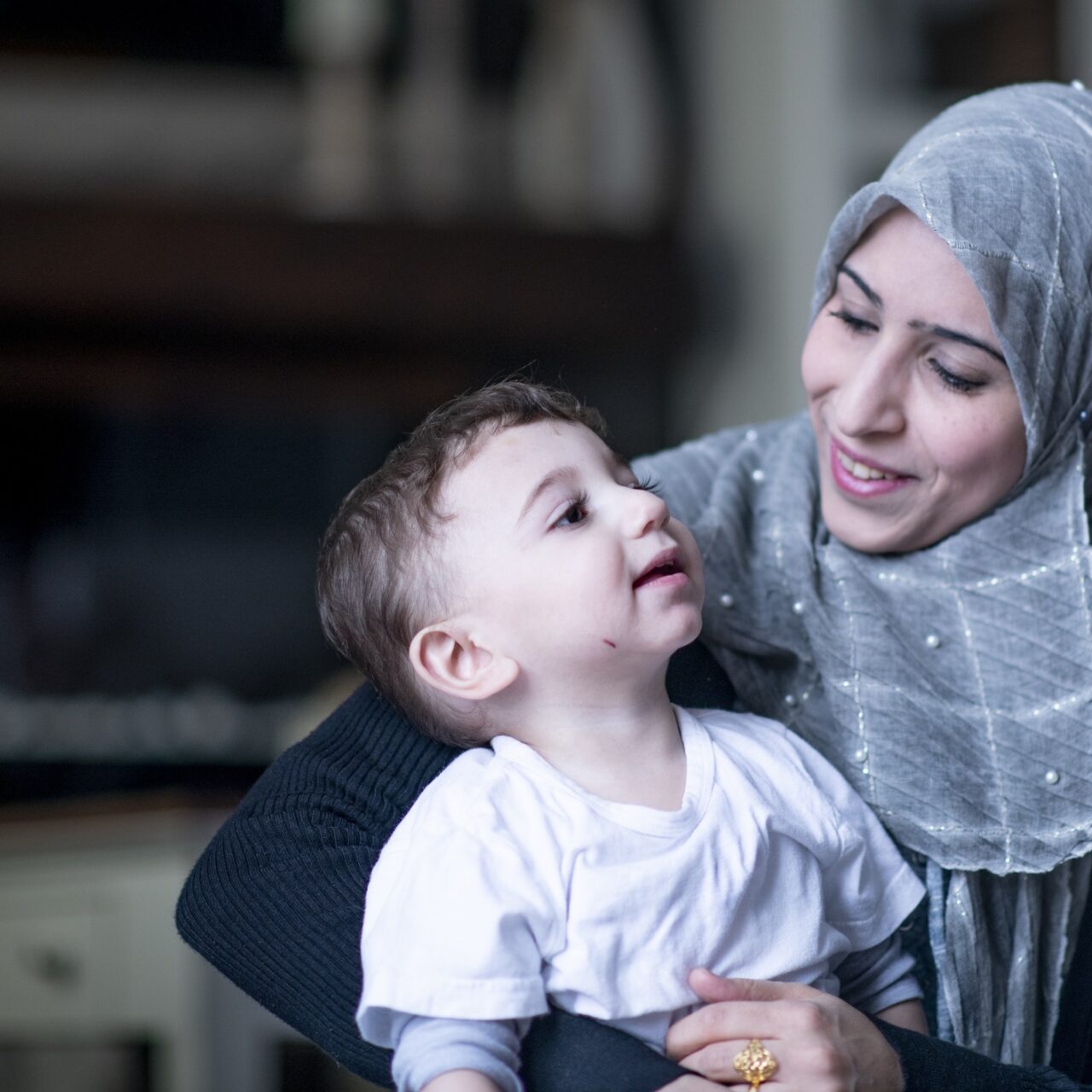
Normalising flexible working would help working parents in particular, the report argues, as many – especially mothers – currently have to sacrifice pay and progression in order to secure flexibility, leaving them stuck in jobs that may be flexible but have few opportunities for advancement.

This stems from employers’ negative attitudes towards part-time and flexible working arrangements, and a perception that senior roles cannot be performed flexibly, the researchers say.

Gendered assumptions by employers – such as that mothers are happy to forgo training and progression, and that fathers do not have family responsibilities – also play a part, while flexibility is often defined only in narrow terms, failing to offer the reduced hours and alternative schedules that some parents need.

The report – which is informed by in-depth focus groups with working parents – emphasises that job and financial security, control over when and how work is carried out, and support from managers, are all highly valued by parents and must be combined with flexible approaches.

The report offers recommendations to improve the working lives of parents.

Recommendations for government

  • Using the forthcoming Employment Bill to support employees’ rights to access suitable working arrangements and improve job control and security, including through advanced notice of shifts for shift workers, and a requirement that all jobs should be designed and advertised with flexible working options.
  • Recognising in the forthcoming Levelling Up White Paper the potential of flexible working to distribute opportunities more fairly across the UK and widen access to the labour market, particularly for single parents.
  • Urgently addressing the problems with childcare affordability, quality and availability, and make free universal childcare available from 39 weeks.

Recommendations for employers

  • Designing and advertising all jobs as flexible unless there is a strong business case that this is not possible.
  • Not using unsubstantiated “business needs” to justify refusing flexible working requests. Instead provide evidence to support their justification and considering alternative working arrangements if requests cannot be accommodated.
  • Asking working parents what they need and value at work and helping them to achieve that, rather than relying on assumptions. This includes looking at schedules, hours, workload changes or other ways to improve job quality.

Jane van Zyl, CEO of Working Families, said:

“Over recent decades we’ve seen plenty of progress in parents being able to access high quality work, but we know that some barriers to change have remained stubbornly in place. The juggling act parents carry out on a daily basis is much discussed: this new research brings it to life by looking at the quality of the jobs parents can get, and the compromises they make to try and secure them alongside meeting their caring responsibilities.

“The stories about the trade-offs parents make to manage work and childcare are often shocking to hear, but we know that the examples shared in this report illuminate the experience of many. Working parents are often undertaking low paid roles, well below their level of skill, and giving up on opportunities to progress  or take promotion because of their childcare responsibilities. It shows very clearly that work and care are not easily reconciled without flexibility, security and supportive employers.”

Dr Rose Cook, Senior Research Fellow at the Global Institute for Women’s Leadership, King’s College London, said:

“Our research highlights that improving parents’ working lives and keeping them in employment relies on far more than just allowing them to request flexible working from day one. Flexibility as it currently stands arguably bolsters gender inequalities rather than tackling them, since it is so often associated with poorly valued, marginalised roles, and is unavailable within higher quality jobs.

“Mothers especially should not be having to sacrifice fair, fulfilling and meaningful working lives so that they can manage caring responsibilities. Both structural and cultural changes are needed across the workforce so that these trade-offs don’t need to be made.”

Alex Beer, Welfare Programme Head at the Nuffield Foundation, said:

“Juggling work and family life is a common feature of many parents’ lives and often has ramifications for individual and family well-being. This research highlights the value of flexible working options to address some of the challenges faced by parents in reaching a balance between work and childcare. It also demonstrates that how the working lives of parents could be improved by job and financial security, agency over when and how work is carried out, and greater support from managers.”

The report is being launched at an online event featuring Tulip Siddiq MP at 10am on Tuesday 2 November.

Related project


Explore our projects

A portrait of a teenager wearing casual clothing on an overcast summer day in Whitley Bay, Northeastern England. They are standing and looking concerned as they use their smartphone.
In progress

Welfare | 2026 - 2028

The digital lives of care-experienced children

View project
A simple wall sign outside the British Treasury building at 1 Horse Guards Road, just off Whitehall, London.
In progress

Welfare | 2026 - 2030

IFS Green Budget 2026 – 2029

View project
Young well dressed businesswoman working on a computer at the office

Welfare | 2026 - 2029

Pain-at-Work Toolkit for employees with chronic pain (definitive trial) 

View project
Young woman using a digital printing machine on an apprenticeship
In progress

Education | 2026 - 2027

Apprenticeship Pathways

View project
Teenage boy looking out of window
New

Justice | 2026 - 2028

Permanently Progressing Phase 3: Adolescence and early adulthood

View project

Welfare | 2026 - 2028

Examining gender pension gaps: trajectories over time in the UK

View project
Parents with baby
In progress

Education | 2026 - 2028

Your Baby and You: Developing the home learning environment for babies

View project
Houses along a street in the UK

Welfare | 2026 - 2028

Towards housing affordability: local supply drivers and optimal policy

View project
In progress

Racial Diversity UK | Welfare | 2026 - 2027

Racial equality since devolution: Divergences, outcomes and frontiers

View project
A cheerful young man wearing a green apron and a grey hoodie. He is placing fresh baked goods outside a cafe, holding a bowl filled with freshly baked bread. The cafe is in the background.
In progress

Education | 2026 - 2027

Student employment and subsequent education and labour market outcomes 

View project
voters entering polling station to vote in election

Welfare | 2025 - 2026

Tax, benefits and public spending in the 2026 devolved elections

View project

Welfare | 2025 - 2026

2026 Scottish Parliament and Senedd election analysis

View project
Teenage boy looking out of window
New

Justice | 2026 - 2028

Permanently Progressing Phase 3: Adolescence and early adulthood

View project
A simple wall sign outside the British Treasury building at 1 Horse Guards Road, just off Whitehall, London.
In progress

Welfare | 2026 - 2030

IFS Green Budget 2026 – 2029

View project
A portrait of a teenager wearing casual clothing on an overcast summer day in Whitley Bay, Northeastern England. They are standing and looking concerned as they use their smartphone.
In progress

Welfare | 2026 - 2028

The digital lives of care-experienced children

View project
Young well dressed businesswoman working on a computer at the office

Welfare | 2026 - 2029

Pain-at-Work Toolkit for employees with chronic pain (definitive trial) 

View project
Young woman using a digital printing machine on an apprenticeship
In progress

Education | 2026 - 2027

Apprenticeship Pathways

View project
Parents with baby
In progress

Education | 2026 - 2028

Your Baby and You: Developing the home learning environment for babies

View project

Welfare | 2025 - 2026

2026 Scottish Parliament and Senedd election analysis

View project
Houses along a street in the UK

Welfare | 2026 - 2028

Towards housing affordability: local supply drivers and optimal policy

View project

Welfare | 2026 - 2028

Examining gender pension gaps: trajectories over time in the UK

View project
voters entering polling station to vote in election

Welfare | 2025 - 2026

Tax, benefits and public spending in the 2026 devolved elections

View project

Welfare | 2025 - 2028

Actionable insights to tackle UK dietary inequalities

View project
A mid-level street view of an older brick social housing block. To the left is a large green tree.

Welfare | 2025 - 2026

Navigating social housing tenancies: Language and cultural barriers

View project
Teenage boy looking out of window
New

Justice | 2026 - 2028

Permanently Progressing Phase 3: Adolescence and early adulthood

View project
A simple wall sign outside the British Treasury building at 1 Horse Guards Road, just off Whitehall, London.
In progress

Welfare | 2026 - 2030

IFS Green Budget 2026 – 2029

View project
A portrait of a teenager wearing casual clothing on an overcast summer day in Whitley Bay, Northeastern England. They are standing and looking concerned as they use their smartphone.
In progress

Welfare | 2026 - 2028

The digital lives of care-experienced children

View project
Young woman using a digital printing machine on an apprenticeship
In progress

Education | 2026 - 2027

Apprenticeship Pathways

View project
Parents with baby
In progress

Education | 2026 - 2028

Your Baby and You: Developing the home learning environment for babies

View project
A cheerful young man wearing a green apron and a grey hoodie. He is placing fresh baked goods outside a cafe, holding a bowl filled with freshly baked bread. The cafe is in the background.
In progress

Education | 2026 - 2027

Student employment and subsequent education and labour market outcomes 

View project
In progress

Education | 2025 - 2027

Racial inequalities in access to professional careers – what matters?

View project
In progress

Racial Diversity UK | Welfare | 2026 - 2027

Racial equality since devolution: Divergences, outcomes and frontiers

View project
In progress

Racial Diversity UK | Welfare | 2025 - 2028

Decline to renewal: Race, deindustrialisation and working lives

View project
In progress

Racial Diversity UK | Welfare | 2025 - 2028

Better mixing: Supporting Scotland’s diverse future

View project
In progress

Racial Diversity UK | Welfare | 2025 - 2028

Voices for equity: Moving from evidence to action

View project
Two mothers cuddle their daughter on the sofa with their dog: Welfare access, assets and debts of LGBT+ people in the UK
In progress

Welfare | 2025 - 2027

Understanding fertility intentions in 21st century Britain

View project
Black woman typing on laptop in living room
Reported

Welfare | 2024 - 2025

Enhancing, localising and democratising tax-benefit policy analysis

View project
A middle-aged man sat at home is looking at this phone while sorting pension paperwork.
Reported

Welfare | 2023 - 2025

Collective defined contribution pensions with investment choice

View project
Elderly man drinking tea at home with professional carer
Reported

Welfare | 2023 - 2024

Evidencing the outsourcing of social care provision in England

View project
Older woman using a tablet to make a video call
Reported

Welfare | 2023 - 2025

Remote osteoarthritis peer-mentorship for socioeconomically underserved people

View project
Male and female apprentices looking at car engine
Reported

Education | 2022 - 2025

Work or study? Gender and the transition from school to work

View project
Reported

Education | Welfare | 2022 - 2024

Understanding school attendance, education and labour market outcomes

View project
Two children walk ahead of two adults, one pushing a pram
Reported

Justice | 2022 - 2024

Voluntary care plans for children in Scotland: using Section 25 orders

View project
Toddler asleep holding a teddy bear
Reported

Education | 2021 - 2024

The Bedtime Boost trial

View project
A woman helping a little girl get ready for school
Reported

Justice | Welfare | 2022 - 2024

Race, religion and representation among care-experienced children

View project
A little girl smiles at her father
Reported

Justice | 2021 - 2024

Substituted parenting: what does this mean in the family court?

View project
Grandparents having fun outdoors with their granddaughter, who is eating an apple and laughing: Understanding family and community vulnerabilities in transition to net zero
Reported

Welfare | 2021 - 2023

Understanding family and community vulnerabilities in transition to net zero

View project
A woman counsellor listens to a female client - Women working to support women in the welfare sphere psychosocial challenges
Reported

Welfare | 2021 - 2023

Women working to support women in the welfare sphere: psychosocial challenges

View project
Search projects

We improve people’s lives by funding research that informs social policy, primarily in Education, Welfare and Justice. We also fund student programmes that give young people skills and confidence in science and research.

We offer our grant-holders the freedom to frame questions and enable new thinking. Our research must stand up to rigorous academic scrutiny, but we understand that to be successful in effecting change, it also needs to be relevant to people’s experience.

Profile