Independent analysis to inform government budget choices

By Mark Franks

The Budget is a pivotal moment in the political calendar. Decisions about tax, spending and welfare can affect living standards, public services and economic performance for years to come, and define the reputations of prime ministers and chancellors alike.

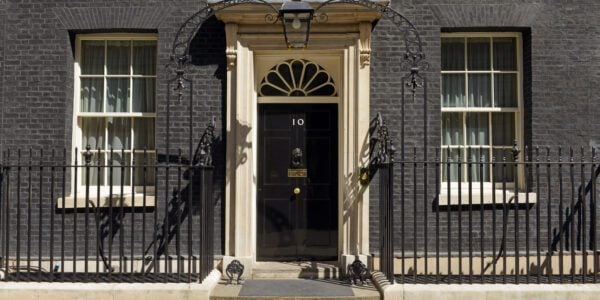
Newly resident in Downing Street and the Treasury, Andy Burnham and John Healey inherit a daunting set of challenges but will be seeking to re-examine the role of government in addressing the UK’s longstanding problems. As they prepare their first budget, what sources of independent evidence can help inform them?

The role of high-quality research

For nearly forty years the IFS Green Budget has provided forensic scrutiny of the economy, public finances, and public spending. It has become one of the most respected sources of information ahead of the budget, helping policymakers, commentators and the wider public understand both the opportunities and constraints facing the government of the day.

As in previous years, the 2026 Green Budget analyses selected issues that illustrate some of the dilemmas confronting the Chancellor. Its value lasts well beyond Budget Day, with chapters exploring:

  • the impact of migration and forecasting assumptions about migration on the public finances
  • options for reforming Personal Independence Payments
  • factors determining UK electricity prices
  • how tax sharing might operate within a more devolved system of governance

The Green Budget is just one example of research funded by the Nuffield Foundation with relevance to the upcoming budget.

Today also sees the release of the 2026 edition of Institute for Government’s Performance Tracker which examines the funding and performance of nine key public services: general practice, hospitals, adult social care, children’s social care, schools, police, criminal courts, prisons, and the probation service.

And next week, Professor Ruth Patrick will publish a policy brief exploring how disruption in the Gulf is affecting households with children across the UK. Funded through the Foundation’s US–Iran Conflict Rapid Response Fund, the project provides timely evidence to inform the Chancellor’s decisions about how best to help households struggling with their own budgets.

Difficult trade-offs

The strain on public services remains intense, demands on spending continue to grow, and ministers are looking for ways to boost growth whilst continuing to meet the fiscal rules, as measured by the Office of Budgetary Responsibility (OBR). The latter is important, because the UK already faces growing costs from servicing its debts, and unfunded spending commitments would worsen that situation.

Budgets signal the government’s approach to building a society that is prosperous and fair, where people are secure and able to fulfil their potential. The decisions made will raise fundamental questions about economic opportunity, living standards, inclusion, the sustainability of public services, and the effectiveness of the institutions on which we all rely.

There are few easy wins. Policymakers must navigate trade-offs between competing demands on scarce resources, often with major implications for households, businesses, and public sector spending. Nevertheless, it is important that individual decisions are underpinned by a clear and transparent strategy for the public finances and public spending and not solely guided by what is affordable under the fiscal rules or overly determined by the precise forecasting assumptions of the OBR.

Why independent evidence matters

At a time when political discourse is increasingly polarised, research can bring fresh insight and clarity to debates about the economic and fiscal choices facing the country. As governments contend with these challenges, the need for rigorous scrutiny and informed discussion only grows. The Green Budget and the wider body of evidence highlighted here play a vital role in supporting both.

Image credit: Zara Farrar / HM Treasury

Explore our projects

In progress

Welfare | 2026 - 2028

The financial challenges of adoption: Practice & policy implications

View project
Mother wearing hijab holding her toddler son on her knee, smiling at each other
In progress

Welfare | 2026 - 2028

Co-designing health visitor support for refugee families in temporary accommodation

View project
In progress

Welfare | 2026 - 2028

Dynamism and the geography of labour reallocation

View project
Houses along a street in the UK
In progress

Welfare | 2026 - 2028

Locked Out of Warmth

View project
Older man working from home on a video call
In progress

Welfare | 2026 - 2028

Job mobility for mid-to-late career workers in semi-routine and routine occupations

View project
Crowd of pedestrians on Westminster bridge with Big Ben in the background
In progress

Welfare | 2026 - 2029

Advancing evidence-based policy with AI & tax-benefit microsimulation

View project
In progress

Welfare | 2026 - 2028

From policy to impact: Racial equity practices in FTSE 350 firms 

View project
Young well dressed businesswoman working on a computer at the office
In progress

Welfare | 2026 - 2028

AI, performance, and wellbeing: A field experiment

View project
A portrait of a teenager wearing casual clothing on an overcast summer day in Whitley Bay, Northeastern England. They are standing and looking concerned as they use their smartphone.
In progress

Welfare | 2026 - 2028

The digital lives of care-experienced children

View project
A simple wall sign outside the British Treasury building at 1 Horse Guards Road, just off Whitehall, London.
In progress

Welfare | 2026 - 2030

IFS Green Budget 2026 – 2029

View project
Young well dressed businesswoman working on a computer at the office
In progress

Welfare | 2026 - 2029

Pain-at-Work Toolkit for employees with chronic pain (definitive trial) 

View project
In progress

Education | 2026 - 2028

The long-term impact of student loans in further education

View project
In progress

Welfare | 2026 - 2028

The financial challenges of adoption: Practice & policy implications

View project
Houses along a street in the UK
In progress

Welfare | 2026 - 2028

Locked Out of Warmth

View project
Mother wearing hijab holding her toddler son on her knee, smiling at each other
In progress

Welfare | 2026 - 2028

Co-designing health visitor support for refugee families in temporary accommodation

View project
Young well dressed businesswoman working on a computer at the office
In progress

Welfare | 2026 - 2028

AI, performance, and wellbeing: A field experiment

View project
In progress

Welfare | 2026 - 2028

From policy to impact: Racial equity practices in FTSE 350 firms 

View project
Crowd of pedestrians on Westminster bridge with Big Ben in the background
In progress

Welfare | 2026 - 2029

Advancing evidence-based policy with AI & tax-benefit microsimulation

View project
Older man working from home on a video call
In progress

Welfare | 2026 - 2028

Job mobility for mid-to-late career workers in semi-routine and routine occupations

View project
In progress

Welfare | 2026 - 2028

Dynamism and the geography of labour reallocation

View project
A simple wall sign outside the British Treasury building at 1 Horse Guards Road, just off Whitehall, London.
In progress

Welfare | 2026 - 2030

IFS Green Budget 2026 – 2029

View project
A portrait of a teenager wearing casual clothing on an overcast summer day in Whitley Bay, Northeastern England. They are standing and looking concerned as they use their smartphone.
In progress

Welfare | 2026 - 2028

The digital lives of care-experienced children

View project
Young well dressed businesswoman working on a computer at the office
In progress

Welfare | 2026 - 2029

Pain-at-Work Toolkit for employees with chronic pain (definitive trial) 

View project
In progress

Education | 2026 - 2028

The long-term impact of student loans in further education

View project
Black woman typing on laptop in living room
Reported

Welfare | 2024 - 2025

Enhancing, localising and democratising tax-benefit policy analysis

View project
Reported

Education | Welfare | 2024 - 2026

Choices, chances, and transitions around creative further and higher education

View project
A middle-aged man sat at home is looking at this phone while sorting pension paperwork.
Reported

Welfare | 2023 - 2025

Collective defined contribution pensions with investment choice

View project
Two little boys and a little girl, all wearing primary school uniform, work together to solve a puzzle in their classroom.
Reported

Education | 2023 - 2025

What has ‘Free School Meals’ measured and what are the implications?

View project
Elderly man drinking tea at home with professional carer
Reported

Welfare | 2023 - 2024

Evidencing the outsourcing of social care provision in England

View project
Older woman using a tablet to make a video call
Reported

Welfare | 2023 - 2025

Remote osteoarthritis peer-mentorship for socioeconomically underserved people

View project
Older man working from home on a video call
Reported

Welfare | 2022 - 2024

The impact of pension auto-enrolment and COVID-19 on saving behaviours

View project
A man working as a delivery driver sits in the driver's seat, checking his list on a tablet
Reported

Welfare | 2022 - 2023

Redesigning labour market policies for the future of work

View project
A group of women walk in a park with their children in pushchairs
Reported

Welfare | 2022 - 2024

Nature-based integration: connecting communities with/in nature

View project
Reported

Education | Welfare | 2022 - 2024

Understanding school attendance, education and labour market outcomes

View project
Two women talk outside a cafe
Reported

Welfare | 2022 - 2023

Housing 21: exploring a more inclusive model of cohousing

View project
A woman helping a little girl get ready for school
Reported

Justice | Welfare | 2022 - 2024

Race, religion and representation among care-experienced children

View project
Search projects

We improve people’s lives by funding research that informs social policy, primarily in Education, Welfare and Justice. We also fund student programmes that give young people skills and confidence in science and research.

We offer our grant-holders the freedom to frame questions and enable new thinking. Our research must stand up to rigorous academic scrutiny, but we understand that to be successful in effecting change, it also needs to be relevant to people’s experience.

Profile