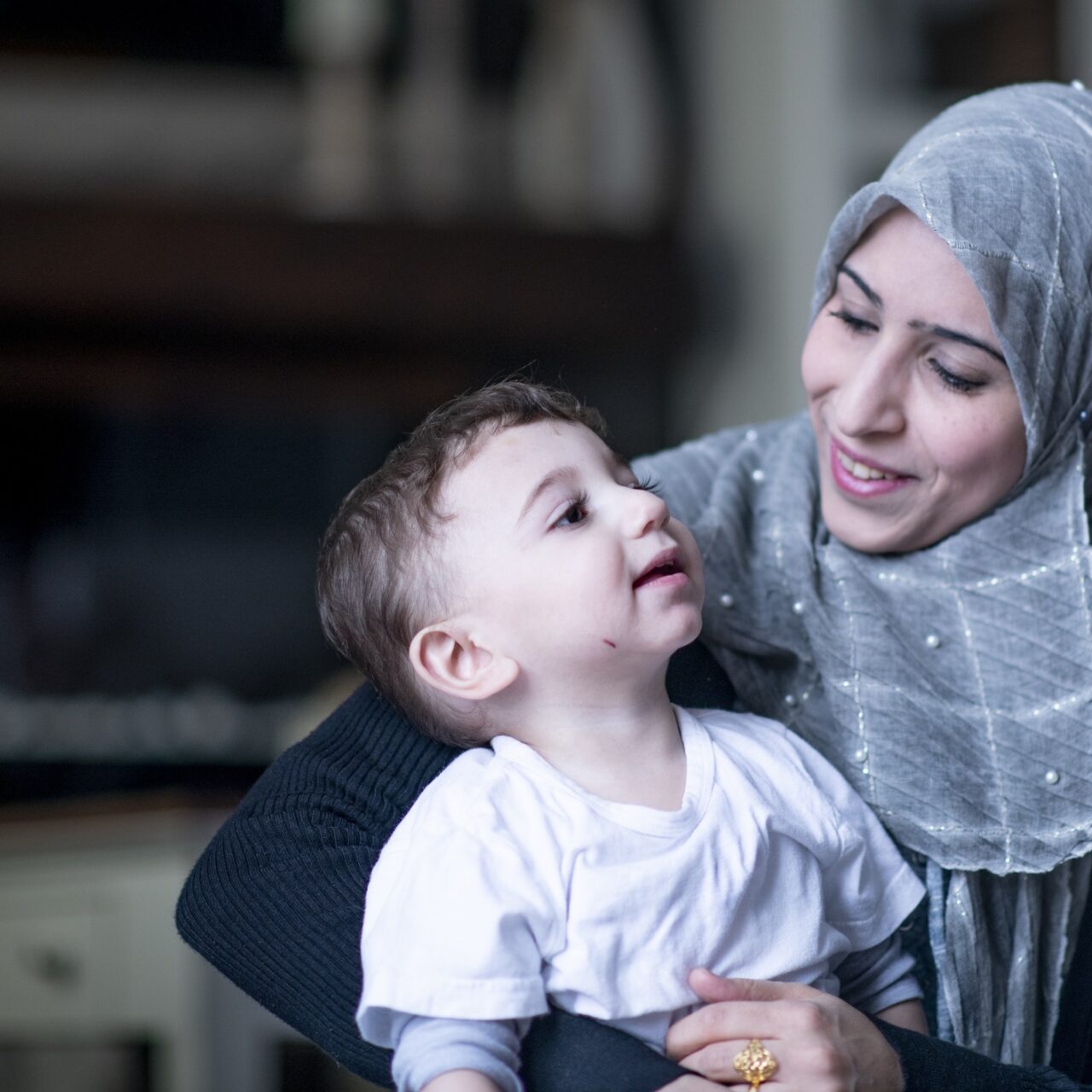
Nearly half of adults have experienced discrimination during COVID-19 pandemic

By Nuffield Foundation

Nearly half of adults (44%) reported having experienced some kind of discrimination since the start of the pandemic*, find UCL researchers as part of the COVID-19 Social Study.

Having been treated with less courtesy or respect than others was the most common type of discrimination (28%), followed by having been threatened or harassed (14%), having had people act as if they were afraid of them (13%), and having received poorer service for deliveries/in stores (12%) or in a medical setting (11%).

People from ethnic minority groups (61% vs 41% of people not from a minority ethnic group) and younger adults (60% of those aged 18-30 vs 29% of people aged 60+) were most likely to have experienced discrimination. Such experiences were also higher amongst women (48% vs men 39%) and more common in urban areas (45% vs 40% reported in rural areas).

Launched in the week before the first lockdown started, the ongoing UCL COVID-19 Social Study is funded by the Nuffield Foundation with additional support from Wellcome and UK Research and Innovation (UKRI). It is the UK’s largest study into how adults are feeling about the lockdown, government advice and overall wellbeing and mental health with over 70,000 participants who have been followed across the last 76 weeks.

Lead author, Dr Elise Paul (UCL Institute of Epidemiology & Health) said: “Our report shows a worrying increase in discriminatory behaviour during the COVID-19 pandemic. There are numerous possible causes for this, including news coverage implying certain groups are less likely to have been vaccinated, to be following rules, or more likely to be carrying the virus.

“People are also naturally more likely to assume that other groups and individuals are breaking the rules more than they are, especially as personal rule-breaking is seen as justifiable due to circumstance, but less leeway is given to others, especially in different groups.”

The proportion of people concerned about catching or becoming seriously ill from COVID-19 increased over the month preceding the ending of the latest restrictions in England to 35% but appears to have levelled off and is now similar to the levels seen in late February of 2021 (31%).

‘Majority’ compliance with the rules and guidelines surrounding COVID-19 has remained high throughout the easing of restrictions, and is currently at 86%. However, ‘complete’ compliance with the rules has dropped to its lowest level since restrictions were first introduced, at 35%.

Cheryl Lloyd, Education Programme Head at the Nuffield Foundation said: “The proportion of people reporting experiences of discrimination is high and although we don’t know why this is, it’s likely there are a number of contributing factors behind it. Previous findings from the UCL COVID-19 Social Study have revealed increased levels of anxiety throughout the pandemic, and it’s possible that people feeling more anxious is influencing how they behave towards others.

Research has also shown that people from some ethnic minority backgrounds have been disproportionately affected by the pandemic, both in health and economic terms. The higher reported rates of discrimination experienced by people from ethnic minority backgrounds is further evidence of this disproportionate impact and needs to be taken seriously, as it suggests heightening of discriminatory behaviour that was already prevalent prior to the pandemic.”

COVID-MINDS Network

The study team is also running the COVID-MINDS Network: an international network of over 140 longitudinal mental health from over 70 countries. Through the network, dozens of scientists and clinicians are coming together internationally to collate results from mental health studies running in countries around the world and compare findings. The initiative is supporting the launch of new mental health studies in other countries, to research whether actions taken in specific countries are helping to protect mental health.

Related project


Explore our projects

A portrait of a teenager wearing casual clothing on an overcast summer day in Whitley Bay, Northeastern England. They are standing and looking concerned as they use their smartphone.
In progress

Welfare | 2026 - 2028

The digital lives of care-experienced children

View project
A simple wall sign outside the British Treasury building at 1 Horse Guards Road, just off Whitehall, London.
In progress

Welfare | 2026 - 2030

IFS Green Budget 2026 – 2029

View project
Young well dressed businesswoman working on a computer at the office

Welfare | 2026 - 2029

Pain-at-Work Toolkit for employees with chronic pain (definitive trial) 

View project

Welfare | 2026 - 2028

Examining gender pension gaps: trajectories over time in the UK

View project
Houses along a street in the UK

Welfare | 2026 - 2028

Towards housing affordability: local supply drivers and optimal policy

View project
In progress

Racial Diversity UK | Welfare | 2026 - 2027

Racial equality since devolution: Divergences, outcomes and frontiers

View project
In progress

Education | 2026 - 2027

Education pathways for unaccompanied asylum-seeking children

View project
voters entering polling station to vote in election

Welfare | 2025 - 2026

Tax, benefits and public spending in the 2026 devolved elections

View project

Welfare | 2025 - 2026

2026 Scottish Parliament and Senedd election analysis

View project
A shot of a grandfather sitting in a tractor with his young granddaughter, he is at his farm in North East, England. The grandfather and the girl's mother are teaching her about the farm.
In progress

Welfare | 2025 - 2028

Arthritis and farmers in England: Impacts, adaptations and prevention

View project
row of houses
In progress

Welfare | 2025 - 2028

Musculoskeletal conditions in underserved communities

View project
In progress

Education | 2025 - 2027

Racial inequalities in access to professional careers – what matters?

View project
A simple wall sign outside the British Treasury building at 1 Horse Guards Road, just off Whitehall, London.
In progress

Welfare | 2026 - 2030

IFS Green Budget 2026 – 2029

View project
A portrait of a teenager wearing casual clothing on an overcast summer day in Whitley Bay, Northeastern England. They are standing and looking concerned as they use their smartphone.
In progress

Welfare | 2026 - 2028

The digital lives of care-experienced children

View project
Young well dressed businesswoman working on a computer at the office

Welfare | 2026 - 2029

Pain-at-Work Toolkit for employees with chronic pain (definitive trial) 

View project

Welfare | 2025 - 2026

2026 Scottish Parliament and Senedd election analysis

View project
Houses along a street in the UK

Welfare | 2026 - 2028

Towards housing affordability: local supply drivers and optimal policy

View project

Welfare | 2026 - 2028

Examining gender pension gaps: trajectories over time in the UK

View project
voters entering polling station to vote in election

Welfare | 2025 - 2026

Tax, benefits and public spending in the 2026 devolved elections

View project

Welfare | 2025 - 2028

Actionable insights to tackle UK dietary inequalities

View project
A mid-level street view of an older brick social housing block. To the left is a large green tree.

Welfare | 2025 - 2026

Navigating social housing tenancies: Language and cultural barriers

View project
A heavily pregnant mother working at home on her laptop while talking to her kids as they stand near her.

Welfare | 2025 - 2028

Effective hybrid work: Childcare, work-life balance and well-being

View project

Welfare | 2025 - 2028

Inequalities and the future

View project
In progress

Education | 2026 - 2027

Education pathways for unaccompanied asylum-seeking children

View project
A simple wall sign outside the British Treasury building at 1 Horse Guards Road, just off Whitehall, London.
In progress

Welfare | 2026 - 2030

IFS Green Budget 2026 – 2029

View project
A portrait of a teenager wearing casual clothing on an overcast summer day in Whitley Bay, Northeastern England. They are standing and looking concerned as they use their smartphone.
In progress

Welfare | 2026 - 2028

The digital lives of care-experienced children

View project
In progress

Education | 2026 - 2027

Education pathways for unaccompanied asylum-seeking children

View project
In progress

Education | 2025 - 2027

Racial inequalities in access to professional careers – what matters?

View project
In progress

Racial Diversity UK | Welfare | 2026 - 2027

Racial equality since devolution: Divergences, outcomes and frontiers

View project
In progress

Racial Diversity UK | Welfare | 2025 - 2028

Decline to renewal: Race, deindustrialisation and working lives

View project
In progress

Racial Diversity UK | Welfare | 2025 - 2028

Better mixing: Supporting Scotland’s diverse future

View project
In progress

Racial Diversity UK | Welfare | 2025 - 2028

Voices for equity: Moving from evidence to action

View project
Two mothers cuddle their daughter on the sofa with their dog: Welfare access, assets and debts of LGBT+ people in the UK
In progress

Welfare | 2025 - 2027

Understanding fertility intentions in 21st century Britain

View project
In progress

Welfare | 2025 - 2027

Musculoskeletal conditions, employment retention and job quality

View project
lady looking out of the bus window
In progress

Welfare | 2025 - 2028

Economic inactivity, arthritis & depression: who, why & how to respond

View project
row of houses
In progress

Welfare | 2025 - 2028

Musculoskeletal conditions in underserved communities

View project
Black woman typing on laptop in living room
Reported

Welfare | 2024 - 2025

Enhancing, localising and democratising tax-benefit policy analysis

View project
A middle-aged man sat at home is looking at this phone while sorting pension paperwork.
Reported

Welfare | 2023 - 2025

Collective defined contribution pensions with investment choice

View project
Elderly man drinking tea at home with professional carer
Reported

Welfare | 2023 - 2024

Evidencing the outsourcing of social care provision in England

View project
Older woman using a tablet to make a video call
Reported

Welfare | 2023 - 2025

Remote osteoarthritis peer-mentorship for socioeconomically underserved people

View project
Male and female apprentices looking at car engine
Reported

Education | 2022 - 2025

Work or study? Gender and the transition from school to work

View project
Reported

Education | Welfare | 2022 - 2024

Understanding school attendance, education and labour market outcomes

View project
An older couple using a tablet to make a video call: Understanding local legal needs and supporting early intervention
Reported

Justice | 2022 - 2025

Understanding local legal needs and supporting early intervention

View project
A child with headphones sitting on her own using a laptop
Reported

Education | 2022 - 2023

The longer-term impact of COVID-19 on pupil attainment and well-being

View project
A woman helping a little girl get ready for school
Reported

Justice | Welfare | 2022 - 2024

Race, religion and representation among care-experienced children

View project
Reported

Education | 2022 - 2025

The medium-term impact of the COVID-19 pandemic on pupils with SEND

View project
Grandparents having fun outdoors with their granddaughter, who is eating an apple and laughing: Understanding family and community vulnerabilities in transition to net zero
Reported

Welfare | 2021 - 2023

Understanding family and community vulnerabilities in transition to net zero

View project
A woman counsellor listens to a female client - Women working to support women in the welfare sphere psychosocial challenges
Reported

Welfare | 2021 - 2023

Women working to support women in the welfare sphere: psychosocial challenges

View project
Search projects

We improve people’s lives by funding research that informs social policy, primarily in Education, Welfare and Justice. We also fund student programmes that give young people skills and confidence in science and research.

We offer our grant-holders the freedom to frame questions and enable new thinking. Our research must stand up to rigorous academic scrutiny, but we understand that to be successful in effecting change, it also needs to be relevant to people’s experience.

Profile