16/12/21
5 min read
Child poverty is lower in Scotland than England and Wales, but further progress can still be made. Jim McCormick, CEO of The Robertson Trust explains how announcements made in last week’s Scottish Budget could help to address child poverty and improve children’s well-being.
After a patchy record on prioritising the needs of disadvantaged children by successive administrations, recent announcements by the Scottish government give grounds for optimism about the odds of reducing poverty and boosting life chances. As with any complex set of challenges however, we need to look beyond the policy and funding environment to narrowing the persistent gap between promise and practice. This blog looks at three steps with the strong potential to improve well-being for children and families living on low incomes. These span money and services which – when designed well and in the right mix – we know can result in better outcomes for children on various measures.
Scottish Child Payment
It takes more than extra money in the pockets of parents and carers to solve deep and persistent issues of poverty and trauma. But we cannot hope to make progress if we fail to address the reasons why families struggle to meet their everyday needs. The creation of Social Security Scotland in 2018 marked a turning point in the devolution settlement, passing power and responsibility for some disability, carer and low-income benefits to a new agency accountable to MSPs at Holyrood. This legislation, backed by every political party, introduces a set of principles rooted in dignity and respect, including a duty on Ministers to increase the take-up of benefits and contribute to poverty reduction. Targets to reduce child poverty by one-third within three years and by more than half by the end of the decade are now written into law.
The clearest sign of ambition is the Scottish Child Payment – a targeted £10 per week supplement for families receiving Universal Credit and other low-income benefits. This opened for applications in November 2020 from eligible families with children aged under six. Last week, the Scottish Budget announcement confirmed plans to double the Scottish Child Payment to £20 per week from next April. Challenges remain, including the need to boost take-up and to complete the roll-out of payments to families with children aged 6-15 years old by the end of 2022. Lump-sum Best Start Grants are available for pre-school children, as well as weekly ‘bridging payments’ of £10 for every child in receipt of free school meals due to low income.
What difference will this make? Child poverty is lower in Scotland than in England and Wales, almost wholly due to lower average housing costs in all tenures and a higher share of households in social housing (which has begun to rise again). Scotland was veering off course even before the pandemic, with progress unravelling mostly due to UK welfare changes, but recent JRF analysis points to 20,000 fewer children in poverty by 2023-24 as a result of Scotland’s new policies. If the UK uplift in Universal Credit/Working Tax Credit were still in place, the combined effect would be 30,000 fewer children in poverty. Further contributions are needed from better access to early childhood education, fairer work and affordable housing.
Whole Family Wellbeing Fund
The second new step follows from recognising that families often need holistic forms of support over and above greater financial security. The Call to Action emerging from the Edinburgh Poverty Commission had this insight at its heart. The Commission heard countless stories of exhausted parents being shunted from pillar to post, between services which assessed, referred and dealt with (at best) one presenting need. In contrast, programmes like Capital City Partnership’s Maximise embed take-up and debt advice alongside peer support for parents and employability support, accessed digitally as well as face-to-face where people go routinely, including nurseries, schools and GP surgeries. The systems change potential in this case means that the programme is one of The Robertson Trust’s new Partners in Change. But we need to go much further to make holistic support – which goes with the grain of our lives – more widely accessible.
Spurred by The Promise which is responsible for driving the necessary changes identified by the independent ‘root and branch’ review of Scotland’s care system for children and young people, the push for a decisive increase in investment in whole family support has gained momentum. The latest Programme for Government signalled a marked shift in this direction. At least £500 million is to be invested over five years in a universal Whole Family Wellbeing Fund. It is a welcome green shoot nurtured by what we have known for a long time about the need to move upstream and offer practical, emotional, relational and financial support for families before needs spiral towards crisis point:
This will enable the building of universal, holistic support services, available in communities across Scotland, giving families access to the help they need, where and when they need it.A fairer, greener Scotland: Programme for Government 2021-22
Last week’s Scottish Budget pledged the first £50 million of funding pooled from across Ministerial portfolios. This is less than the annual commitment that will be needed in subsequent years and is understood to have been hard earned. Families and third sector allies are in no mood to be let down. The Finance Secretary’s optimistic message of funding “ramping up significantly through the Spending Review, as capacity and capability for transformational change builds in the sector” will need to be matched with harder cash next year. The tension between the Fund being available to all who need it while at the same time meeting the specific needs of families in and on the edges of the care system will need to be resolved.
Early years and school-age support
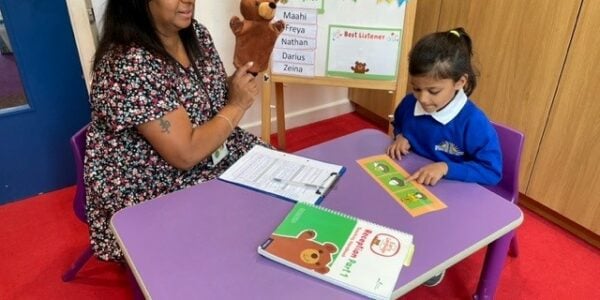
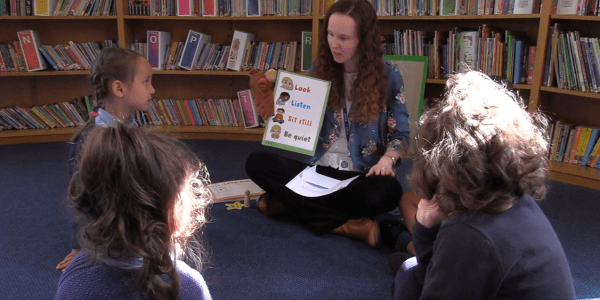
The third step is being taken on more familiar ground. Megan Jarvie’s blog on the need to tackle urgent issues in the early years sector in England is pertinent for Scotland too. The Scottish Budget includes resources to enable entitlement to funded early learning and childcare to be almost doubled for all three‑ and four‑year‑olds, and for two‑year‑olds with experience of care (or care‑experienced parents) and those from low-income families. Progress halted by the pandemic has resumed and there are plans to expand this entitlement to all one- and two-year olds starting with a targeted offer to low-income parents. Successful design, implementation and take-up can reduce inequalities in children’s readiness for school. But rigorous, independent evaluation will be needed to ensure no family groups are left behind due to access barriers.
One other big ticket item in the Scottish Budget is a further £200m to reduce the poverty-related attainment gap. This carries a serious risk of falling short of the policy ambition. While the funding allocation has moved closer to reflecting disadvantage at school level rather than blunt area-based measures, Audit Scotland has pointed to the distinct lack of an evidence-based framework to drive spending decisions. The Education Endowment Foundation’s work does not extend to Scotland. There is no national tutoring programme to remove cost barriers for families. And while there are bold steps to reduce costs of the school day and expand mentoring support in secondary schools, the implementation gap around the attainment gap (and many other areas of public policy) needs to be narrowed.
These three steps are reasons to be hopeful. Brighter prospects are in sight for children and families who were disadvantaged long before COVID-19. But we will only see them turn into reality if we are willing to take on the work of co-design, evaluation and improvement alongside the same families we want to serve.
Read more

About the author
Jim McCormick is Chief Executive of The Robertson Trust. Previously he was Associate Director Scotland with the Joseph Rowntree Foundation (2017-20), ran an independent research consultancy and was Director of the Scottish Council Foundation think-tank (2002-07).
He is Chair of the independent Disability and Carers Benefits Advisory Group reporting to the Cabinet Secretary for Social Security and a member of the Scottish Government’s Social Renewal Advisory Board. He was Chair of the Edinburgh Poverty Commission (2018-20) and a member of the Social Security Advisory Committee (SSAC, 2014-20) scrutinizing DWP regulations. He was also an Advisory Board member of Business in the Community Scotland.
In 2018 he was a travelling Churchill Fellow looking at the impact of mentoring programmes for children and young people facing disadvantage in the USA, Canada and New Zealand. Interests include music, languages and Greenock Morton FC.